
Thatcham certification is an independent testing programme, run by Thatcham Research, that verifies a vehicle security product’s functionality, performance and design against fixed technical standards. If a tracker, alarm or immobiliser carries a Thatcham category, it has been through rigorous, repeatable testing rather than a manufacturer’s own marketing claims.
Here’s the practical bit you actually need to know:
- Certification proves the device works to a recognised standard, but it does not automatically guarantee an insurance discount.
- Insurer recognition is negotiated separately between manufacturers and individual insurers.
- Categories like S5 and S7 exist specifically for GPS trackers, which is exactly where Land Rover owners need to pay attention.
Brands like Lrd-track build their tracking systems around these categories precisely because a Land Rover Defender or Range Rover is a high-value target. Certification is the proof; your insurer’s acceptance is the separate conversation you still need to have.
Key takeaways
Thatcham certification proves a security device meets independently tested performance standards, but only your insurer decides whether that certification earns you a discount or policy acceptance.
| Point | Details |
|---|---|
| Certification is independent | Thatcham Research tests devices to fixed technical criteria; it doesn’t sell or endorse products commercially. |
| S5 vs S7 matters most for trackers | S5 adds driver recognition and remote immobilisation; S7 covers tracking only. |
| Insurer acceptance isn’t automatic | Manufacturers and insurers negotiate recognition separately; always confirm your policy’s requirements directly. |
| Certification is reviewed, not permanent | Products face biennial monitoring and can lose certification if standards slip. |
| Verify before you buy | Match the model number to Thatcham’s database and request a fitment certificate from your installer. |
Table of Contents
- Who is Thatcham Research and why does its certification matter?
- Thatcham categories explained: Cat 1, 2, 2-1, 3, 4, S5 and S7
- How Thatcham tests products and keeps certification current
- What Thatcham certification means for your insurance and your wallet
- How to check a device or vehicle is Thatcham-certified
- How Thatcham categories translate to Land Rover trackers
- Ready to match your Land Rover to the right category?
- The gap between what a Thatcham category promises and what actually protects your Land Rover
- Frequently asked questions
- Sources
Who is Thatcham Research and why does its certification matter?
Thatcham Research began life as the Motor Insurance Repair Research Centre, set up by UK motor insurers to reduce repair costs and improve vehicle safety standards. It evolved into the independent testing authority that now covers crash repair, vehicle safety, and security certification across the UK market.
What makes this matter to you as a driver:
- Thatcham doesn’t sell security products. It tests them, which is why insurers treat its findings as a genuine benchmark rather than a sales pitch.
- Insurers reference Thatcham categories when assessing risk on high-value or frequently stolen vehicle models.
- The organisation’s independence is the entire reason its certification carries weight. A badge from the manufacturer means nothing. A Thatcham category means someone outside the manufacturer put the product through its paces.
Thatcham categories explained: Cat 1, 2, 2-1, 3, 4, S5 and S7
Thatcham splits its categories into two families. Numeric categories (1 to 4) cover traditional alarms, immobilisers and wheel locks. S-prefix categories (S5, S7) cover the modern GPS tracking and recovery systems that matter most for vehicles like yours.
- Category 1 combines an alarm and an immobiliser in one system, offering the broadest protection among the numeric tiers.
- Category 2 is immobiliser-only, electronically preventing the engine from starting without the correct key or fob.
- Category 2-1 is a simplified, self-fit version of Category 2, aimed at aftermarket installation without full professional fitting.
- Category 3 covers mechanical immobilisers, physical devices like steering or pedal locks that block operation without relying on electronics at all.
- Category 4 covers wheel locking devices, tested for durability and for how securely they resist forced removal, including the replacement key process if lost.
- Category S5 is the top tier for tracking and recovery: driver recognition tags, GPS location tracking, and remote immobilisation that can stop a stolen vehicle in its tracks.
- Category S7 provides location tracking without the mandatory driver recognition or remote immobilisation features S5 requires.
The numbering isn’t a simple score; it describes device type and capability, so match the category description to what your vehicle actually needs rather than assuming a lower number is automatically “better.”
Pro Tip: If you’re weighing S5 against S7, ask yourself one question: do you want the system to be able to immobilise the vehicle remotely once it’s confirmed stolen? If yes, S5 is the category you need. S7 tracks location but leaves the stopping power out.
How Thatcham tests products and keeps certification current
Thatcham certification isn’t a one-off stamp. Products are tested against predefined technical criteria covering functionality, tamper resistance, backup power performance and fail-safe behaviour under real-world conditions.
For trackers specifically, testing looks at signal reliability, battery backup, and how the system behaves if someone tries to jam or disable it. Alarms and immobilisers get tested on resistance to bypass attempts and false-trigger rates.
- Certified products face biennial monitoring and re-evaluation, not a single pass-and-forget test.
- Standards that slip can result in certification being withdrawn entirely.
- Technical specifications and test documentation sit in Thatcham’s own certification database, searchable by category and manufacturer.
That two-year review cycle is the detail most buyers miss. A device certified in 2024 has already faced fresh scrutiny by 2026, which is exactly the kind of ongoing accountability a one-off marketing claim can’t match.
What Thatcham certification means for your insurance and your wallet
Certification and insurer discounts are two separate things, and conflating them is the single most common mistake drivers make when shopping for security devices.
Here’s what actually happens in practice:
- A device being Thatcham-certified proves it works to standard. It does not obligate any insurer to reduce your premium or accept the policy term.
- Insurer recognition gets negotiated individually between the manufacturer and each insurance provider, so acceptance varies from one insurer to the next.
- Always confirm directly with your insurer which category they require or accept before you buy anything.
- Factor in installation costs and ongoing monitoring subscriptions. Trackers, unlike alarms, typically need an active subscription to keep the recovery service running.
Pro Tip: Call your insurer before you buy, not after. Ask them explicitly: “Do you recognise S5 or S7 for my policy, and does it affect my premium?” Get the answer in writing if you can.
For a Defender, Discovery or Range Rover, the higher purchase price of an S5 system usually earns its keep faster than it would on an average family car, simply because the vehicle itself is a bigger theft target.
How to check a device or vehicle is Thatcham-certified
Don’t take a seller’s word for it. Verification takes minutes and protects you from paying for equipment that never earned its category.
- Search the model number directly in Thatcham’s official certification database to confirm the listing matches what you’re being sold.
- Ask the vendor or installer for the certificate reference number and cross-check it against the Thatcham listing yourself.
- Confirm the installer holds proper accreditation and request a professional fitment receipt as proof of correct installation.
If you can’t verify certification, don’t proceed. Ask for a refund, raise a complaint with the seller, or contact your insurer for guidance before fitting anything unverified.
How Thatcham categories translate to Land Rover trackers
S5 and S7 aren’t abstract labels on a spec sheet; for specialist electronic work including post-crash system resets, services like Airbag Reset UK provide expert support with vehicle immobilisation and recovery systems. They translate to specific, tangible features once fitted to a Defender, Discovery or Range Rover.
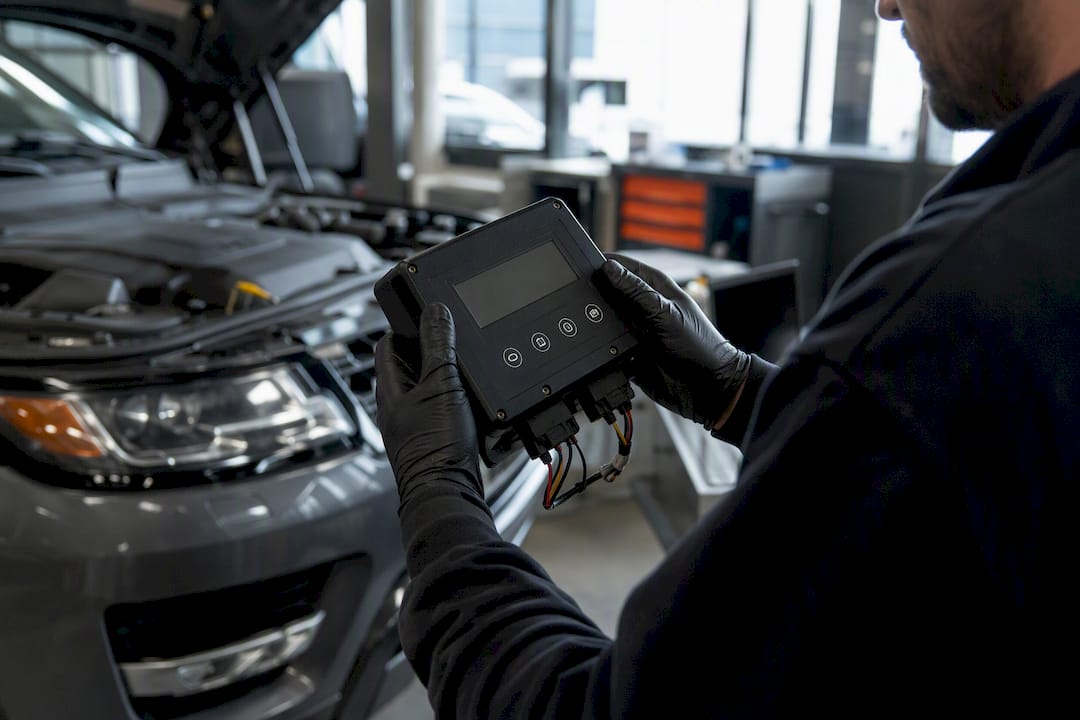
An S5 system on a Land Rover typically pairs a driver ID tag with GPS tracking and remote immobilisation, meaning the vehicle recognises its authorised driver and can be stopped remotely if it’s reported stolen. An S7 tracker does the heavy lifting on location tracking alone, which suits owners of classic Defenders where full remote immobilisation isn’t always practical to wire in.
Before you buy any Land Rover tracker, run through this checklist:
- Confirm the device is compatible with your specific model and year.
- Check whether an active monitoring subscription is required to keep tracking live.
- Verify your insurer accepts the category you’re fitting, in writing, before purchase.
- Ask for proof of professional installer accreditation and a fitment certificate.
Lrd-track specialises specifically in Land Rover fitment, with professional installation and 24/7 monitoring built around the wiring quirks of Defenders, Discoverys and Range Rovers. For high-value vehicles, generic fitment simply doesn’t deliver the same recovery odds as a specialist who knows exactly where the immobilisation wiring and driver ID sensor need to sit.
Pro Tip: A Thatcham category tells you what the device is capable of. It tells you nothing about whether it’s been wired correctly into your specific model. Vehicle-specific installation is where recovery outcomes are actually won or lost.
Ready to match your Land Rover to the right category?
Choosing between S5 and S7 comes down to how much protection your specific Defender, Discovery or Range Rover actually needs, and whether remote immobilisation matters to your insurer’s requirements. Lrd-track’s product finder lets you compare features and pricing across the full Land Rover-specific range before you commit.
If you’re running a classic Defender, the S7 Classic Defender Tracker is built around exactly that fitment challenge. Owners after the full S5 feature set, including driver recognition and remote immobilisation, should start with the S5 tracker page instead. Every installation comes with professional fitting and 24/7 monitoring support, so you’re not left guessing whether the wiring behind the dashboard matches what the certificate promises.
The gap between what a Thatcham category promises and what actually protects your Land Rover
The conventional advice on Thatcham certification stops at “buy the highest category you can afford.” That’s incomplete, and it can cost you money for no real security gain. The category number tells you what a device is capable of. It says nothing about whether it’s installed correctly on your specific vehicle, or whether your insurer will actually recognise it.
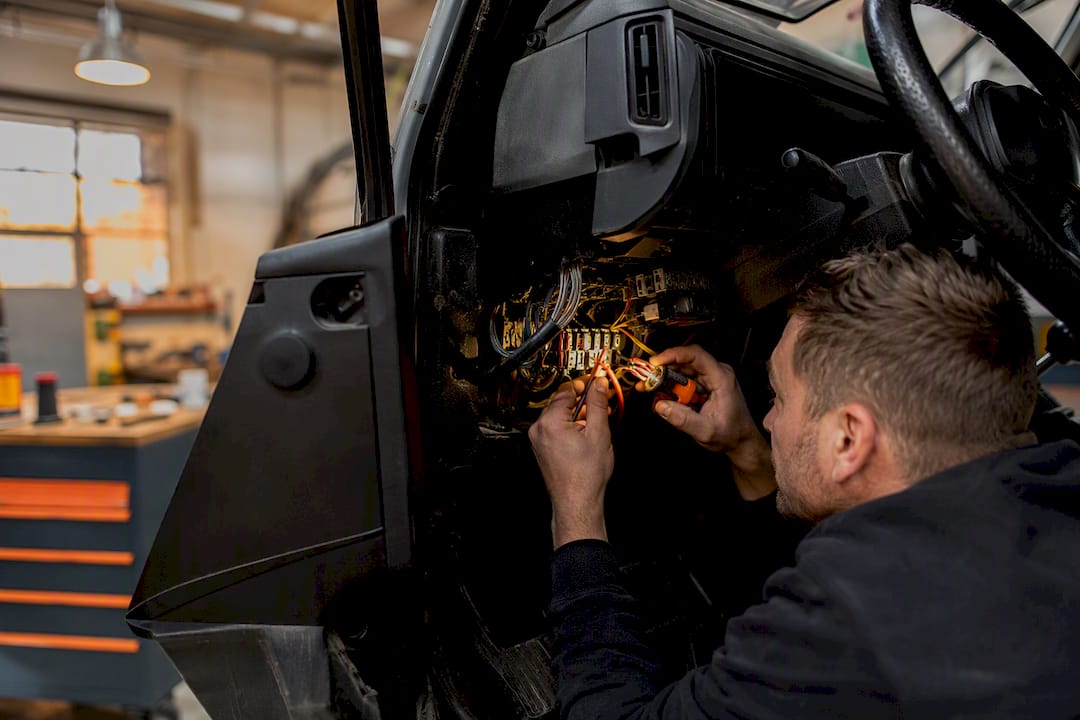
I’d argue the sequence most buyers follow is backwards. They pick a category first, then hunt for a product, then worry about installation and insurance last. Flip that order. Call your insurer first and get their required category in writing. Then choose between S5 and S7 based on whether remote immobilisation genuinely matters for your vehicle. Only then does installer quality become the deciding factor, and for something as electronically particular as a Defender or Range Rover, that final step matters more than most owners assume.
Certification is the floor, not the ceiling. Fitment and insurer alignment are where the real protection gets decided.
Frequently asked questions
What is Thatcham certification? It’s an independent testing programme run by Thatcham Research that verifies the functionality, performance and design of vehicle security products against predefined technical standards.
What does it mean for a product to be Thatcham approved? It means the product has passed testing for its specific category, whether that’s an alarm, immobiliser, wheel lock or tracker, and appears in Thatcham’s official certification listing.
How do I get Thatcham certification for a product? Certification applies to manufacturers submitting devices for testing, not individual consumers. As a buyer, your task is simply to verify an existing certificate rather than obtain one yourself.
I’ve lost my Thatcham tracker certificate. What do I do? Contact the device manufacturer or your installer for a replacement copy, and cross-check the model number against Thatcham’s official database in the meantime to confirm the category still applies.
What’s the practical difference between S5 and S7 for a tracker? S5 includes driver recognition and remote immobilisation alongside GPS tracking. S7 provides location tracking only, without those additional control features.
Does Thatcham certification guarantee a lower insurance premium? No. Certification proves the device meets a tested standard, but insurer recognition and any resulting discount are negotiated separately between the manufacturer and each insurer.
Sources
- Thatcham Security Certifications